

Can soft play toys be used in a therapy session?
Jun 17, 2025
Can soft play toys be used in a therapy session? This is a question that has intrigued many in the fields of child development, psychology, and education. As a supplier of soft play toys, I've had the privilege of witnessing firsthand the diverse applications of these products, and I'm excited to explore their potential in therapy settings.
The Therapeutic Potential of Soft Play Toys
Soft play toys are not just for entertainment; they can serve as powerful tools in therapeutic interventions. These toys are designed with safety and comfort in mind, featuring soft materials that are gentle on a child's skin. Their tactile nature encourages sensory exploration, which is crucial for the development of a child's nervous system.
One of the primary benefits of soft play toys in therapy is their ability to promote emotional regulation. For children who struggle with anxiety or sensory processing disorders, the act of squeezing, hugging, or manipulating a soft toy can provide a calming effect. The repetitive motion can help to soothe the nervous system and reduce stress levels.
In addition to emotional regulation, soft play toys can also enhance social skills. Group therapy sessions often involve activities that require cooperation and communication. Soft toys can be used as props in role - playing games, allowing children to practice taking turns, sharing, and expressing themselves. For example, a child might use a soft teddy bear to act out a story with their peers, which can improve their language development and social interaction skills.
Sensory Integration Therapy
Sensory integration therapy is a specialized form of therapy that focuses on helping children process and respond to sensory information more effectively. Soft play toys are particularly well - suited for this type of therapy. They offer a variety of sensory experiences, including touch, sight, and sometimes even sound.
Textured soft toys, such as those with different fabrics or bumpy surfaces, can stimulate the tactile sense. This is beneficial for children who are hypersensitive or hyposensitive to touch. By exposing them to different textures, therapists can help desensitize hypersensitive children or provide additional sensory input for hyposensitive children.
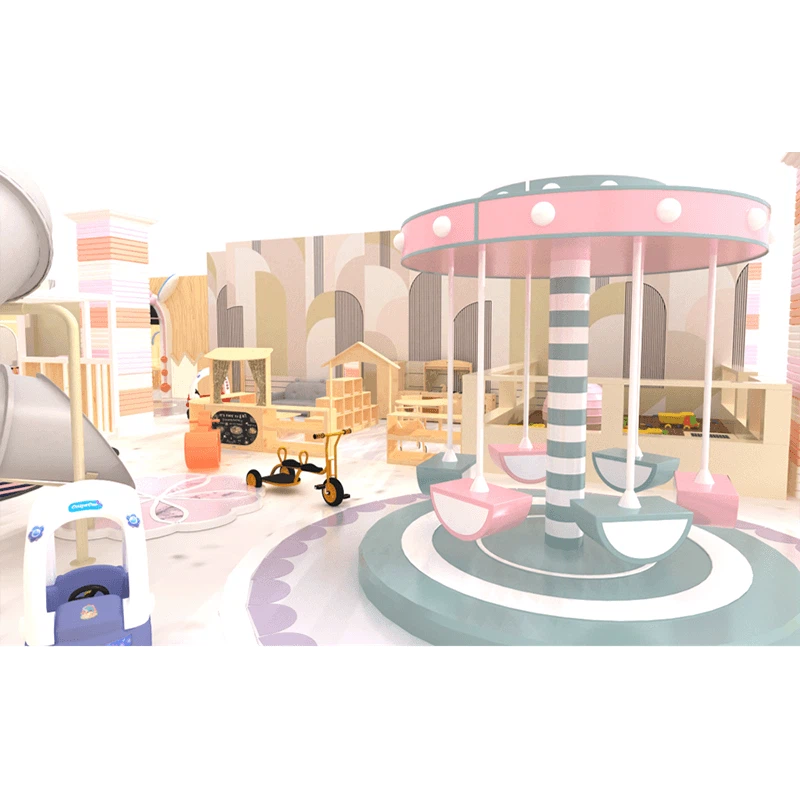
Soft play toys can also be used to create a sensory-rich environment. For instance, a large soft play structure can be filled with different types of soft materials, creating a cozy and stimulating space for children to explore. This type of environment can help children feel more comfortable and engaged during therapy sessions.

Cognitive Development
Soft play toys can also play a significant role in cognitive development. Many soft toys are designed to be educational, with features that encourage problem - solving, memory, and creativity. For example, building blocks made of soft materials can be used to teach children about shapes, colors, and spatial relationships.
In therapy sessions, these toys can be used to engage children in activities that challenge their thinking skills. A therapist might present a child with a soft puzzle and encourage them to figure out how to put it together. This not only helps to develop their cognitive abilities but also boosts their self - confidence when they successfully complete the task.
Case Studies
There are numerous case studies that demonstrate the effectiveness of soft play toys in therapy. For example, in a study conducted at a local children's hospital, soft play toys were introduced into the playrooms of children undergoing treatment for cancer. The children showed a significant reduction in anxiety levels when they were able to play with the soft toys. They also became more engaged in social activities, interacting with other children and hospital staff more frequently.
Another case study involved children with autism spectrum disorder. Therapists used soft play toys in structured play sessions to improve the children's social skills and communication. The children were observed to be more focused and less disruptive during these sessions, and their parents reported improvements in their overall behavior at home.
Soft Play Toys in Different Therapy Settings
Soft play toys can be used in a variety of therapy settings, including hospitals, schools, and private therapy clinics. In hospitals, soft toys can help distract children from the stress of medical procedures and provide a sense of comfort. For example, a child waiting for a vaccination might be given a soft toy to hold, which can help to calm their nerves.
In schools, soft play toys can be incorporated into special education programs. Teachers can use these toys to engage students with learning disabilities and help them develop essential skills. For example, a soft play set can be used to teach math concepts, such as counting and addition, in a fun and interactive way.
Private therapy clinics can also benefit from using soft play toys. Therapists can customize therapy sessions based on the specific needs of their clients, using different types of soft toys to target various areas of development.
Our Soft Play Toy Offerings
As a supplier of soft play toys, we offer a wide range of products that are suitable for therapy sessions. Our toys are made from high - quality, non - toxic materials, ensuring the safety of children. We have everything from small, handheld soft toys to large, interactive soft play structures.
Our Kids Zone Indoor Playground Equipment is designed to provide a fun and stimulating environment for children. These structures can be used in therapy settings to encourage physical activity, social interaction, and sensory exploration.
The Limpo Indoor Playground in Russia showcases the quality and versatility of our products. It features a variety of soft play elements that can be adapted to different therapy needs.
Our Children Play Centre Equipment includes a range of soft toys and play equipment that are perfect for use in therapy sessions. From soft balls to plush animals, these toys can be used to support emotional, social, and cognitive development.
Conclusion
In conclusion, soft play toys have significant potential in therapy sessions. They offer a range of benefits, including emotional regulation, sensory integration, and cognitive development. Whether used in hospitals, schools, or private therapy clinics, soft play toys can enhance the effectiveness of therapy and provide a more engaging and enjoyable experience for children.
If you are interested in learning more about how our soft play toys can be used in therapy or if you are considering purchasing our products for your therapy practice, we would love to hear from you. Feel free to reach out to us to discuss your specific needs and how we can assist you.
References
Ayres, A. J. (1972). Sensory Integration and Learning Disorders. Western Psychological Services.
Kranowitz, C. S. (1998). The Out - of - Sync Child: Recognizing and Coping with Sensory Integration Dysfunction. Perigee Books.
Schaefer, C. E., & O'Connor, K. J. (2001). Handbook of Play Therapy. Wiley.