

How do indoor playgrounds keep children engaged?
Dec 05, 2025
As a supplier of indoor playgrounds, I've witnessed firsthand the magic that happens when children step into these vibrant, colorful worlds. Indoor playgrounds are not just spaces filled with slides and swings; they are hubs of creativity, learning, and endless fun. In this blog, I'll explore the various ways indoor playgrounds keep children engaged and why they are such an essential part of a child's development.
Interactive Equipment
One of the primary ways indoor playgrounds captivate children is through their interactive equipment. Modern indoor playgrounds are equipped with a wide range of innovative and engaging structures that encourage physical activity and imaginative play. For example, climbing walls challenge children's strength and coordination, while ball pits provide a soft and safe environment for them to jump, dive, and play.
The Children Play Centre Equipment we supply includes state-of-the-art features such as interactive panels, which light up and make sounds when touched. These panels can be incorporated into various play structures, adding an extra layer of excitement and engagement. Children love to explore and discover new ways to interact with the equipment, which keeps them entertained for hours on end.
Themed Environments
Another effective strategy for keeping children engaged is the use of themed environments. Indoor playgrounds can be designed to transport children to different worlds, such as a pirate ship, a fairy forest, or a space station. These themes not only add an element of fantasy and adventure but also provide a context for imaginative play.
For instance, the Limpo Indoor Playground in Russia features a medieval castle theme. Children can dress up as knights and princesses, explore the castle's towers and dungeons, and engage in epic battles with their friends. The themed environment creates a sense of immersion and allows children to fully engage their imaginations.
Themed playgrounds also offer educational opportunities. For example, a nature-themed playground can teach children about different plants and animals, while a science-themed playground can introduce them to basic scientific concepts. By combining fun and learning, themed environments make the play experience more meaningful and engaging for children.
Social Interaction
Indoor playgrounds are excellent places for children to develop their social skills. They provide a safe and inclusive environment where children can interact with their peers, make new friends, and learn how to share, cooperate, and communicate effectively.
Group activities and games are often incorporated into indoor playgrounds to encourage social interaction. For example, there may be a large play area where children can play team sports, such as basketball or soccer. There may also be cooperative play structures, such as a large building set or a puppet theater, where children can work together to create and play.
In addition, many indoor playgrounds have staff members who are trained to facilitate social interaction among children. These staff members can organize activities, encourage children to interact with each other, and help resolve any conflicts that may arise. By promoting social interaction, indoor playgrounds help children develop the skills they need to build healthy relationships and succeed in life.
Sensory Experiences
Children are naturally curious and love to explore the world through their senses. Indoor playgrounds can provide a variety of sensory experiences that stimulate children's senses and enhance their play experience.
For example, there may be areas with different textures, such as soft foam blocks, rough climbing walls, and smooth slides. There may also be areas with different sounds, such as musical instruments or interactive sound panels. In addition, some indoor playgrounds have areas with different smells, such as a flower garden or a bakery.
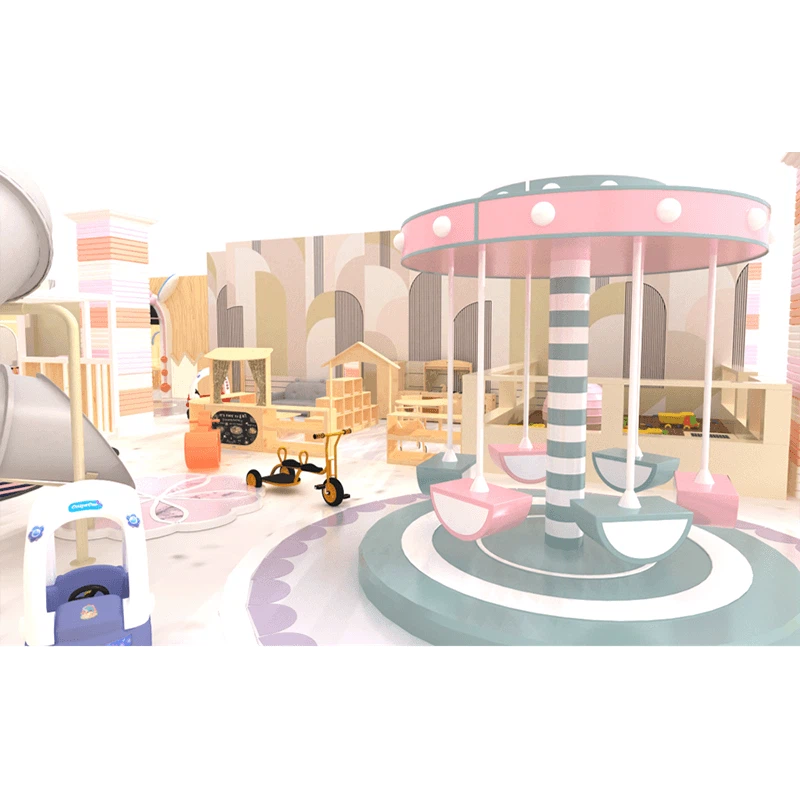
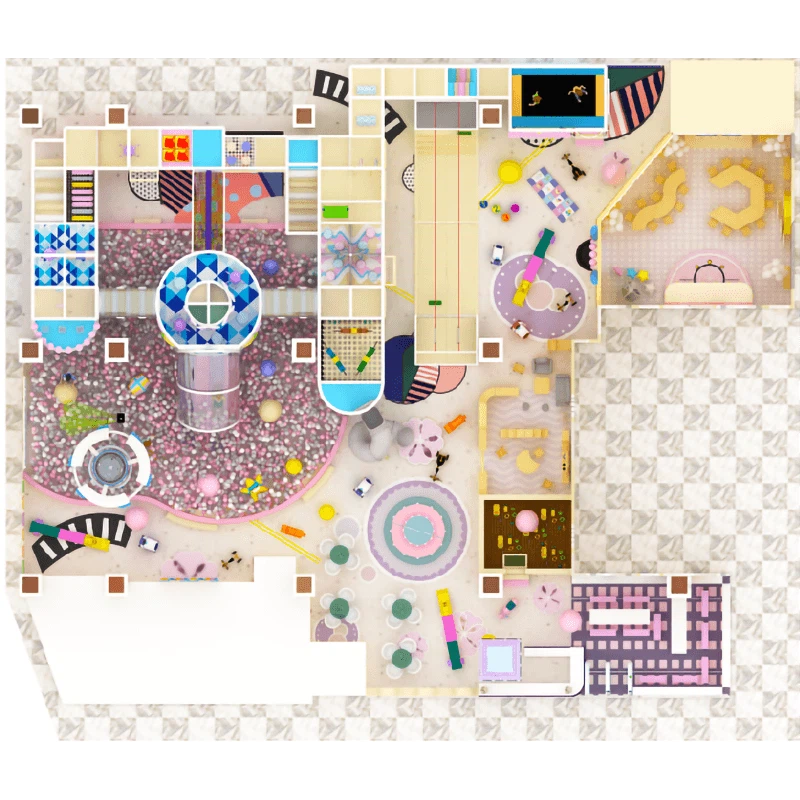
The Adaptive Indoor Play Area Design from Cowboy takes sensory experiences to the next level. It features a range of adaptive equipment that is designed to meet the needs of children with disabilities. This equipment includes sensory panels, tactile play areas, and interactive lighting, which provide a rich and engaging sensory experience for all children.
Regular Updates and New Additions
To keep children coming back for more, indoor playgrounds need to constantly evolve and offer new and exciting experiences. This can be achieved by regularly updating the equipment, adding new play structures, and introducing new themes and activities.
As a supplier, we work closely with our clients to ensure that their indoor playgrounds are always up-to-date and relevant. We offer a wide range of new products and services, including custom-designed play structures, themed environments, and interactive equipment. By staying ahead of the latest trends and technologies, we can help our clients create indoor playgrounds that are truly unique and engaging.
Conclusion
In conclusion, indoor playgrounds play a crucial role in keeping children engaged and entertained. Through the use of interactive equipment, themed environments, social interaction, sensory experiences, and regular updates, indoor playgrounds provide a rich and stimulating play experience for children of all ages.
If you're interested in creating an indoor playground that will captivate children and keep them coming back for more, I encourage you to reach out to us. We have the expertise and experience to design and supply high-quality indoor playground equipment that meets your specific needs and budget. Let's work together to create a world of fun and adventure for children!
References
- Smith, J. (2020). The Importance of Play in Child Development. Journal of Child Psychology, 45(2), 123-135.
- Johnson, A. (2019). The Impact of Themed Environments on Children's Imaginative Play. Early Childhood Education Journal, 47(3), 211-220.
- Brown, C. (2018). Social Interaction in Indoor Playgrounds: A Case Study. Journal of Social Development, 32(4), 567-578.