

How to Design the Layout of a Soft Play Centre?
Mar 31, 2026
When planning to open a soft play centre, the layout design is a crucial step that can significantly impact the success of your business. As a supplier for soft play centres, I've witnessed firsthand how a well - thought - out layout can enhance the overall experience for children and parents alike. In this blog, I'll share some key considerations and strategies for designing an effective layout for a soft play centre.
Understanding the Target Audience
The first step in designing the layout of a soft play centre is to understand your target audience. Different age groups have different needs and preferences when it comes to play. For toddlers, a soft play area with gentle slopes, small slides, and soft blocks is ideal. They need a safe and enclosed space where they can explore at their own pace. Preschoolers, on the other hand, are more adventurous. They enjoy climbing structures, larger slides, and interactive play elements. Older children may seek more challenging activities such as obstacle courses and multi - level play structures.
By segmenting your play centre based on age groups, you can create a more tailored experience. For example, you can have a separate area for toddlers with soft mats and low - height play equipment. The preschool area can feature medium - sized climbing frames and slides, while the area for older children can have high - energy play structures. This not only caters to the different developmental needs of children but also helps in managing the flow of traffic within the play centre.
Safety First
Safety is of utmost importance in a soft play centre. All play equipment should be made of high - quality, non - toxic materials. The floors should be covered with soft, shock - absorbing mats to prevent injuries from falls. When designing the layout, ensure that there are clear sightlines for parents and staff. This means avoiding blind corners and ensuring that all areas of the play centre can be easily monitored.
You should also consider the spacing between play equipment. There should be enough room for children to move around without bumping into each other. Additionally, the layout should include emergency exits that are clearly marked and easily accessible. Regular safety inspections of the play equipment and the overall layout are essential to maintain a safe environment.
Flow and Circulation
A well - designed layout should facilitate smooth flow and circulation within the play centre. The entrance should lead directly to a central area where parents can check in, pay, and store their belongings. From there, clear pathways should guide children and parents to different play areas. Avoid creating bottlenecks or areas where traffic can get congested.
For example, if you have a large climbing structure, ensure that there are multiple entry and exit points to prevent children from getting stuck. You can also use signage to direct traffic and make it easier for visitors to find their way around. A good flow also means that parents can easily move between different areas to keep an eye on their children.
Incorporating Different Play Zones
A successful soft play centre should offer a variety of play zones to keep children engaged. Some popular play zones include:
- Imaginative Play Areas: These can be themed areas such as a pretend grocery store, a doctor's office, or a pirate ship. Imaginative play helps children develop their creativity and social skills. You can find inspiration for themed play areas like the Purple Fantasy Theme Indoor Soft Playground, which offers a unique and engaging experience for children.
- Physical Activity Zones: These areas are designed to encourage children to be active. They can include climbing walls, trampolines, and obstacle courses. Physical activity is important for children's physical development and helps them burn off energy.
- Quiet Zones: It's also important to have quiet areas where children can relax and read books or engage in calm activities. These zones can be decorated with soft seating and a small library of children's books.
Themed Design
Theming your soft play centre can create a more immersive and memorable experience for children. You can choose a theme based on popular children's characters, such as superheroes or princesses, or a more general theme like a jungle or a space adventure. A themed design not only makes the play centre more visually appealing but also helps in creating a cohesive atmosphere.
For instance, the Cowboy Play Cafe Design offers a unique western - themed experience. The use of western - style decor, such as hay bales, cowboy hats, and wooden fences, can transport children to a different world. Themed play areas can also be used to tie in with special events or holidays, such as a Halloween - themed play area or a Christmas - themed zone.
Comfort for Parents
While the focus is on children, it's also important to consider the comfort of parents. The layout should include seating areas where parents can relax and watch their children play. These seating areas should be located in areas with good visibility of the play zones. You can also provide amenities such as charging stations for mobile devices, free Wi - Fi, and a small coffee shop or snack bar.
A comfortable environment for parents means that they are more likely to stay longer at the play centre, which can increase your revenue. You can also offer additional services such as baby changing stations and breastfeeding areas to make the experience more convenient for parents.
Flexibility and Expandability
When designing the layout, it's important to consider future growth and changes. Your soft play centre may need to adapt to new trends, add new play equipment, or accommodate more visitors. A flexible layout allows you to make these changes easily.
For example, you can design the play areas in a modular way, so that new play equipment can be added or removed as needed. You can also leave some open space that can be used for special events or new attractions in the future. This flexibility ensures that your play centre can remain competitive in the market.
Lighting and Sound
Proper lighting and sound can enhance the overall atmosphere of the soft play centre. Bright, natural - looking lighting can make the play areas more inviting and safe. You can also use different lighting levels to create different moods in different areas. For example, the quiet zones can have softer lighting, while the high - energy play areas can have brighter lights.
Sound can also play an important role. You can play soft, child-friendly music in the background to create a pleasant environment. However, make sure that the sound levels are not too loud, as this can be overwhelming for children.
Marketing and Branding
The layout of your soft play centre can also be used as a marketing tool. You can incorporate your brand logo and colours throughout the play centre. This helps in creating brand recognition and makes your play centre more memorable.
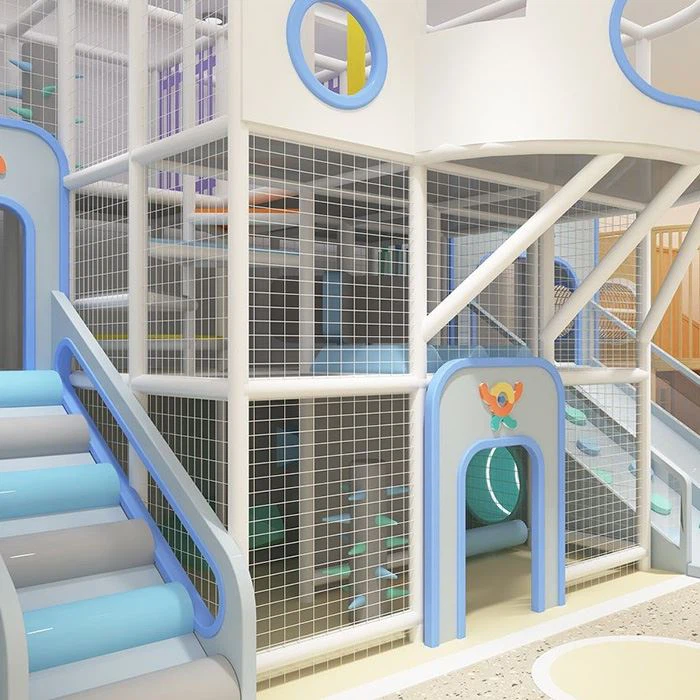
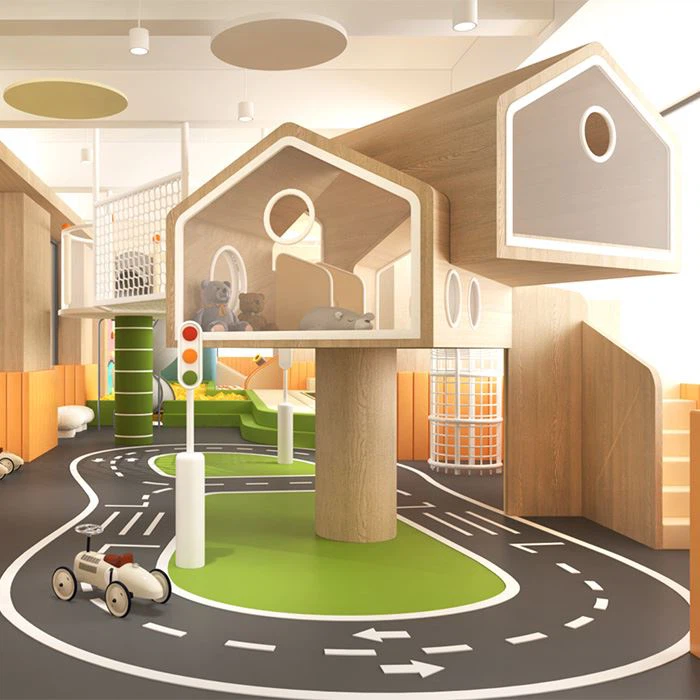
You can also use the layout to showcase your unique selling points. For example, if you have a special play equipment or a unique themed area, make sure it is prominently displayed. You can find more play cafe design ideas on Play Cafe Design to help you create a more marketable layout.
Conclusion
Designing the layout of a soft play centre is a complex but rewarding process. By understanding the needs of your target audience, prioritising safety, ensuring smooth flow and circulation, incorporating different play zones, and considering the comfort of parents, you can create a successful and engaging soft play centre.
If you're interested in opening a soft play centre and need help with the layout design or sourcing high - quality play equipment, we're here to assist you. Our team of experts can provide you with customized solutions based on your specific requirements. Contact us to start the conversation and take the first step towards creating a fun and safe soft play centre.
References
- Playground Design Handbook, National Recreation and Park Association
- Child Development and Play, American Academy of Pediatrics