

What is the difference between a regular playground and a Jungle Playground?
Jul 04, 2025
What is the difference between a regular playground and a Jungle Playground?
Playgrounds are integral parts of a child's life, offering spaces for physical activity, social interaction, and imaginative play. While regular playgrounds have long been a staple in communities, jungle playgrounds are emerging as a captivating alternative. As a supplier of jungle playgrounds, I've witnessed firsthand the unique features and benefits they bring. In this blog, I'll delve into the differences between regular playgrounds and jungle playgrounds, exploring how the latter can provide an unparalleled experience for children.
Design and Aesthetics
Regular playgrounds typically feature a straightforward design with a combination of swings, slides, seesaws, and climbing structures. The color schemes are often bright and primary, with a focus on functionality. These playgrounds are designed to be simple and accessible, providing a range of basic play activities for children of different ages.
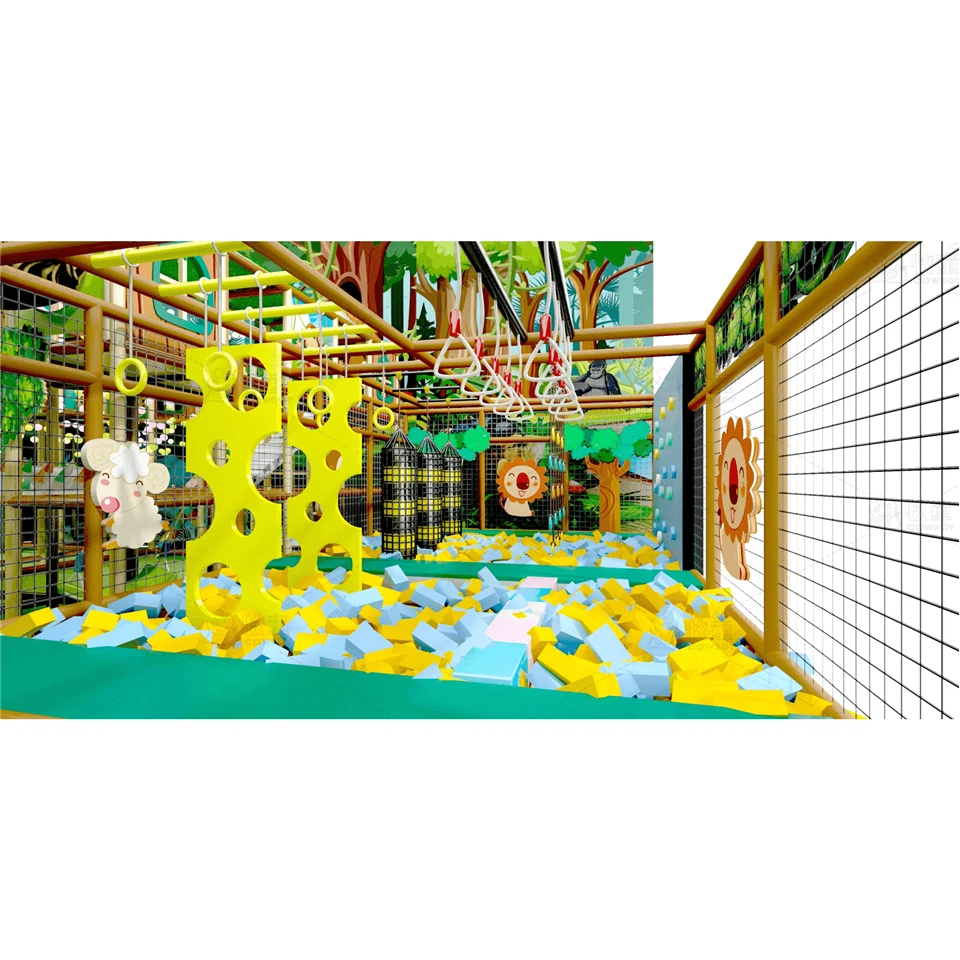
On the other hand, jungle playgrounds are designed to mimic the natural environment of a jungle. They are characterized by lush greenery, winding paths, and structures that resemble trees, vines, and animals. The color palette is more earthy and natural, with shades of green, brown, and tan. The overall aesthetic of a jungle playground creates a sense of adventure and immersion, transporting children to a world of imagination and exploration.
One of the key design elements of a jungle playground is the use of natural materials. Wood, rope, and bamboo are commonly used to construct the play structures, giving them a rustic and organic feel. These materials not only add to the visual appeal of the playground but also provide a more tactile and sensory experience for children. In contrast, regular playgrounds often use plastic and metal, which can be less engaging from a sensory perspective.
Play Experience
The play experience offered by a regular playground is centered around traditional play equipment. Children can swing back and forth, slide down the slides, and climb up the ladders. While these activities are fun and provide physical exercise, they may lack the element of surprise and discovery that a jungle playground offers.
Jungle playgrounds, on the other hand, encourage children to engage in more imaginative and creative play. The naturalistic design of the playground inspires children to create their own stories and adventures. They can pretend to be explorers in the jungle, searching for hidden treasures or rescuing animals. The winding paths and hidden nooks provide opportunities for children to engage in independent exploration and discovery.
In addition to imaginative play, jungle playgrounds also offer a greater variety of physical challenges. The climbing structures are often more complex and require children to use different muscle groups and coordination skills. The ropes and nets provide a unique opportunity for children to develop their balance and strength. These physical challenges not only help children develop their motor skills but also build their confidence and resilience.
Educational Value
Regular playgrounds can provide some educational benefits, such as teaching children about sharing, taking turns, and social interaction. However, the educational opportunities are relatively limited. Jungle playgrounds, on the other hand, offer a wealth of educational opportunities in the areas of science, nature, and environmental awareness.
The natural environment of a jungle playground provides a living classroom for children to learn about plants, animals, and ecosystems. They can observe the different types of plants and trees, learn about the life cycles of animals, and understand the importance of conservation. The jungle theme also provides a context for teaching children about different cultures and countries that are home to rainforests.
In addition to science and nature education, jungle playgrounds can also promote creativity and problem-solving skills. The open-ended nature of the play environment encourages children to think outside the box and come up with their own solutions to challenges. They can experiment with different ways of climbing, swinging, and exploring, which helps them develop their critical thinking and problem-solving abilities.

Safety
Safety is a top priority when it comes to playgrounds. Both regular playgrounds and jungle playgrounds are designed to meet strict safety standards. However, there are some differences in the way safety is addressed in each type of playground.
Regular playgrounds often have a more structured layout, with clearly defined play areas and safety barriers. The play equipment is typically made of durable materials and is designed to withstand regular use. The surfaces are usually made of rubber or wood chips, which provide a soft landing in case of falls.
Jungle playgrounds, on the other hand, may have a more open and natural layout. While this can provide a more immersive and adventurous play experience, it also requires careful planning and design to ensure safety. The play structures are often made of natural materials, which may require more maintenance to ensure they remain safe. The surfaces may also be more uneven, which can pose a tripping hazard. However, by using appropriate safety measures, such as soft surfaces and safety netting, jungle playgrounds can be just as safe as regular playgrounds.
Sustainability
In today's world, sustainability is an important consideration in all aspects of design and construction. Jungle playgrounds have a distinct advantage over regular playgrounds when it comes to sustainability.
As mentioned earlier, jungle playgrounds often use natural materials such as wood, rope, and bamboo. These materials are renewable and biodegradable, making them a more environmentally friendly choice. In addition, the naturalistic design of the playground can help to create a more sustainable ecosystem. The plants and trees in the playground can provide habitat for birds, insects, and other wildlife, which can help to promote biodiversity.
Regular playgrounds, on the other hand, often use plastic and metal, which are non-renewable resources. The production of these materials can have a significant impact on the environment, including the release of greenhouse gases and the depletion of natural resources. In addition, the plastic and metal used in regular playgrounds may end up in landfills at the end of their lifespan, contributing to environmental pollution.
Conclusion
In conclusion, while regular playgrounds have their place in communities, jungle playgrounds offer a unique and exciting alternative. The naturalistic design, imaginative play opportunities, educational value, and sustainability of jungle playgrounds make them a great choice for children and parents alike.
As a supplier of kids' Indoor Amusement Playground Equipment, Jungle And Animal Theme Playground, and Children's Indoor Soft Playground Equipment, I am passionate about providing high-quality, innovative, and sustainable playground solutions. If you're interested in learning more about our jungle playgrounds or discussing a potential project, I encourage you to get in touch. We would be happy to work with you to create a playground that will provide endless hours of fun and adventure for children.
References
- Moore, R. C., & Wong, T. (1997). Childhood's domain: Play and place in child development. Taylor & Francis.
- Fjørtoft, I. (2001). The natural environment as a playground for children: The impact of outdoor play environments on children's well-being and development. Early Child Development and Care, 167(1), 149-163.
- Taylor, A. F., Kuo, F. E., & Sullivan, W. C. (2001). Coping with ADD: The surprising connection to green play settings. Environment and Behavior, 33(1), 54-77.