

What is the seismic safety requirement for a rope playground?
Jul 18, 2025
Seismic safety is a critical consideration when it comes to the design, installation, and operation of rope playgrounds. As a leading supplier of rope playground equipment, I understand the importance of ensuring that our products meet the highest standards of seismic safety. In this blog post, I will delve into the seismic safety requirements for rope playgrounds, explaining why they are essential and how we, as a supplier, address these requirements.
Understanding Seismic Activity and Its Impact on Rope Playgrounds
Seismic activity, including earthquakes, can pose significant risks to rope playgrounds. The sudden and violent ground movements associated with seismic events can cause structural damage to the playground equipment, leading to potential injuries for users. Rope playgrounds typically consist of various components such as ropes, platforms, frames, and anchors. These components need to be able to withstand the forces generated during an earthquake to ensure the safety of the children and adults who use them.
The intensity of seismic activity varies depending on the geographical location. Areas located near tectonic plate boundaries are more prone to earthquakes and may experience higher levels of seismic intensity. Therefore, the seismic safety requirements for rope playgrounds in these high - risk areas are more stringent compared to those in low - risk regions.
Seismic Safety Standards and Regulations
There are several national and international standards and regulations that govern the seismic safety of playground equipment, including rope playgrounds. These standards are developed by organizations such as the International Organization for Standardization (ISO) and national building code authorities.
For example, in the United States, the International Building Code (IBC) provides guidelines for the seismic design of structures, including playground equipment. The IBC classifies different geographical areas into seismic design categories based on the seismic hazard level. Rope playgrounds installed in areas with higher seismic design categories must be designed to withstand greater seismic forces.
ISO standards, such as ISO 1176 - 1:2017, also provide general safety requirements for playground equipment. While these standards may not specifically focus on seismic safety, they do emphasize the overall structural integrity and safety of the equipment, which is closely related to seismic performance.

Key Seismic Safety Requirements for Rope Playgrounds
Structural Design
The structural design of a rope playground is crucial for seismic safety. The frames and platforms of the playground should be designed to resist lateral forces caused by seismic activity. This may involve using materials with high strength - to - weight ratios, such as steel or engineered wood. The connections between different components, such as the joints between ropes and frames, also need to be designed to prevent failure during an earthquake.
For example, we use advanced computer - aided design (CAD) software to simulate the seismic behavior of our rope playgrounds. This allows us to optimize the structural design, ensuring that the equipment can withstand the expected seismic forces in different locations.
Anchoring Systems
Proper anchoring is essential for the seismic safety of rope playgrounds. The playground equipment must be securely anchored to the ground to prevent it from toppling over during an earthquake. The type of anchoring system used depends on the soil conditions and the seismic hazard level of the installation site.
In areas with high seismic activity, we may use deep foundation systems, such as piles or caissons, to provide a stable base for the rope playground. These foundation systems can transfer the seismic forces from the equipment to the ground, reducing the risk of structural damage.
Material Selection
The choice of materials for rope playgrounds also plays a significant role in seismic safety. The ropes used in the playground should be made of high - strength materials that can withstand the dynamic loads caused by seismic activity. Additionally, the materials used for the frames and platforms should be able to resist corrosion and fatigue, which can weaken the structure over time.
We source our materials from reputable suppliers and conduct rigorous quality control tests to ensure that they meet the required standards for seismic safety. For example, our ropes are made of synthetic fibers with high tensile strength, and our frames are constructed from galvanized steel to prevent rust and corrosion.
Our Approach as a Rope Playground Supplier
As a supplier of rope playgrounds, we take seismic safety very seriously. We work closely with structural engineers and geotechnical experts to ensure that our products meet the seismic safety requirements of different regions.
Before installing a rope playground, we conduct a detailed site assessment to determine the seismic hazard level and soil conditions. Based on this assessment, we design a customized playground solution that meets the specific seismic safety requirements of the site.
We also provide comprehensive installation and maintenance services. Our installation teams are trained to follow the best practices for seismic - resistant installation, ensuring that the playground is properly anchored and assembled. Regular maintenance is also crucial for the long - term seismic safety of the equipment. We offer maintenance packages that include inspections, repairs, and replacements of worn - out components.
Indoor Rope Playgrounds and Seismic Safety
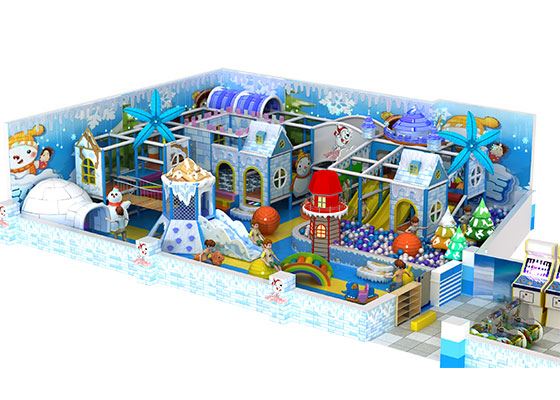
Indoor rope playgrounds, also known as Indoor Entertainment Equipment, have their own unique seismic safety considerations. While they may be less exposed to external seismic forces compared to outdoor playgrounds, they still need to be designed and installed to withstand the vibrations and movements that can occur during an earthquake.
The building structure that houses the indoor rope playground must also be seismically safe. The playground equipment should be integrated with the building's seismic design, ensuring that it does not interfere with the overall seismic performance of the building.
Conclusion
Seismic safety is a non - negotiable aspect of rope playground design and installation. By understanding the seismic safety requirements, following the relevant standards and regulations, and using appropriate design and construction techniques, we can ensure that our rope playgrounds provide a safe and enjoyable experience for users, even in areas prone to seismic activity.
If you are interested in purchasing a rope playground for your facility, whether it's an indoor or outdoor installation, I encourage you to contact us. Our team of experts can provide you with detailed information about our products, their seismic safety features, and how we can customize a solution to meet your specific needs. Let's work together to create a safe and exciting playground environment.
References
- International Building Code (IBC)
- ISO 1176 - 1:2017
- Structural Engineering Manuals and Guidelines