


How To Optimize Play Cafe Design And Zoning – A Guide To Build A Soft Play Area
Apr 16, 2026
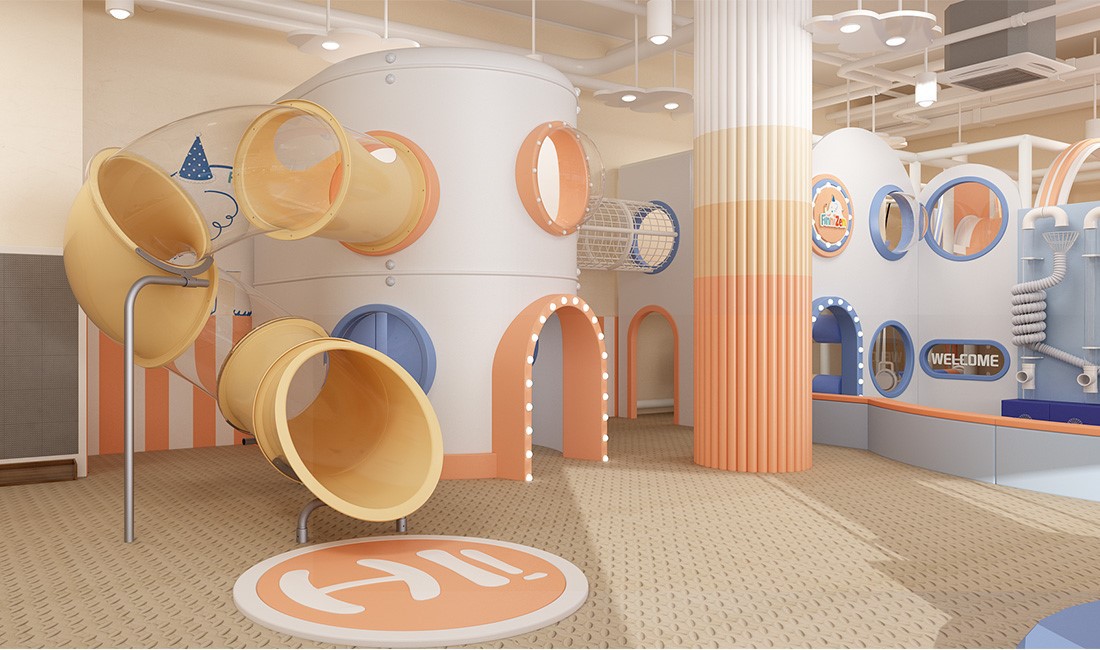
A soft play center is designed based on children's natural love for climbing, crawling, sliding, jumping, swinging, and rocking. By combining the latest play equipment with sound manufacturing techniques and thoughtful play cafe design, it creates a comprehensive children's play area that integrates physical activity, fun, and learning.
Zoning:
A well-designed soft play center typically uses scientific zoning to meet children's needs while also accommodating parents' desire for rest and supervision.
Core Play Area
Ball Pit & Multi Slides: Often the visual focal point and most photographed spot in the play center. The slide exit leads directly into the ball pit, ensuring safety while adding fun to the landing. Ball pits with different colors can enhance children's color recognition. As children play and grab the balls, it helps develop their hand dexterity.
Climbing Area
Climbing nets, climbing walls, and rope structures connect different platforms. This helps children develop balance, whole-body coordination, and courage.
Trampoline Area
Safe bouncing satisfies children's natural love for jumping, helping to strengthen leg muscles and improve balance.
Toddler Area
A separate space designed specifically for children aged 1-4. It is typically separated from the main activity area by soft barriers or fences to prevent older children from entering, making it a safe exploration zone for toddlers.
Imagination & Role-Play Area
This serves as the "quiet zone" of the play center, offering children a calming space to wind down and switch gears after intense physical activity. A thoughtful play cafe design ensures this area is properly positioned to provide a peaceful transition from active play.
Role-Play Zone (link inserted): Usually features mini supermarkets, kitchens, and dollhouses, where children can imitate real-life social situations, developing social skills and imagination. Princess rooms and dollhouses are particularly popular among girls and toddlers who love imitation - they can stay engaged here all day, effectively increasing the time both parents and children spend in the facility.
Train & Parking Area: The train's route can naturally guide the flow of traffic between different play zones. Specific areas are designated for stopping and parking, simulating real traffic rules. This helps young children learn about rules and develop good habits of orderliness.
Hands-on & Educational Activities: Tabletop building blocks, puzzles, and wall-mounted educational games.
Sandpit: Features carefully selected, smooth, rounded granules that are safe for little hands. The sandpit comes with various accessories such as shovels, buckets, and more. The open-ended play encourages children to explore and create their own games, boosting their imagination and creativity.
Parent Zone
Play cafe includes the playground and coffee and snack zone that enhance parents' comfort and encourage them to stay longer. Modern play cafe design often includes:
Comfortable Seating Area: Equipped with ample seating, free Wi-Fi, and charging ports.
Clear Sightlines: Unobstructed visibility so parents can easily locate their children at all times - a non-negotiable feature in any professional play cafe design.
Layout & Traffic Flow Planning
Once the zones are defined, the next step is traffic flow design. A good layout ensures that parents can see their children, children can play freely, and the operator can manage the facility with ease.
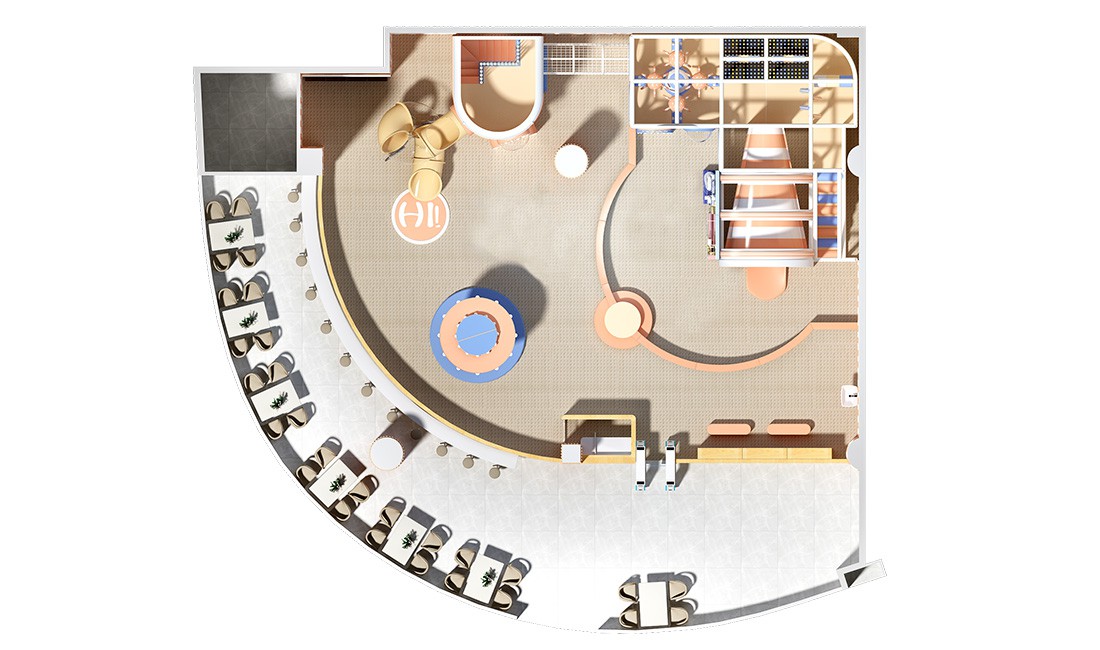
Key Principle: One-Way Flow to Avoid Collisions
- Separate entry points: Upon entering the play area, the flow naturally divides - one route leads to the toddler zone, the other to the older children's climbing zone. This prevents overcrowding and collisions.
- Slide exit buffer: Slides should empty into the deeper part of the ball pit, with a clear, unobstructed area ahead to prevent children sliding down and crashing into those walking by.
- Avoid perpendicular intersections: Use T‑junctions instead of cross intersections to reduce the chance of head‑on collisions between children.
- Emergency exits: At least two emergency exits in different directions.
- Multiple access points for large multi‑level structures: A single entry/exit in a large, multi‑level play structure creates bottlenecks and collisions during peak times. Provide at least two access points (e.g., one climbing net entrance and one soft‑step entrance next to a slide).
Are you planning a play cafe design or looking for high-quality play cafe equipment? Let us know your specific needs, and we can provide tailored advice and a free quote.


