


Custom Pretend Play Center
Discover Mini City—an immersive pretend play center where kids aged 3–10 explore careers like doctors, firefighters, and chefs! Through hands-on fun, they learn teamwork, empathy, and real-world skills. Inspire future dreams today!
- Fast Delievery
- Quality Assurance
- 24/7 Customer Service
Product Introduction
When planning or upgrading children's playground, are you seeking a play solution that captivates both kids and parents while distinctly differentiating from traditional play palaces, offering higher average spending and repeat visit rates?
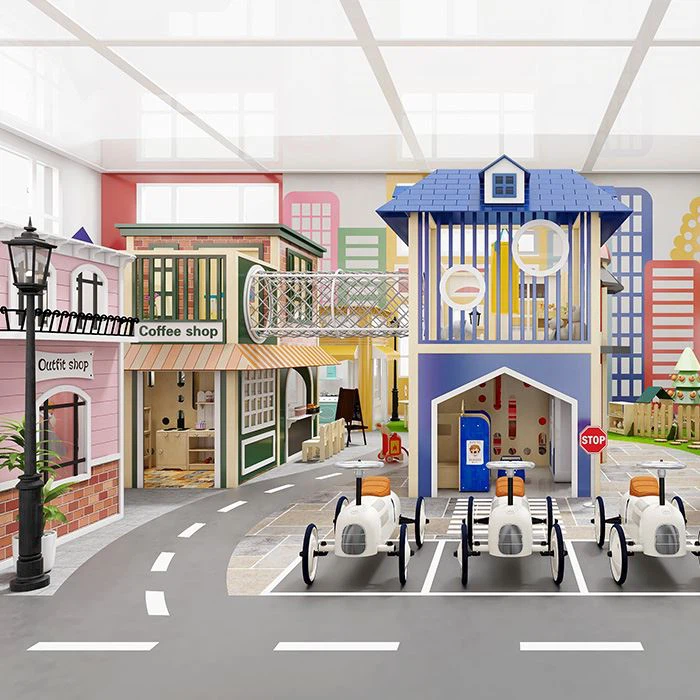
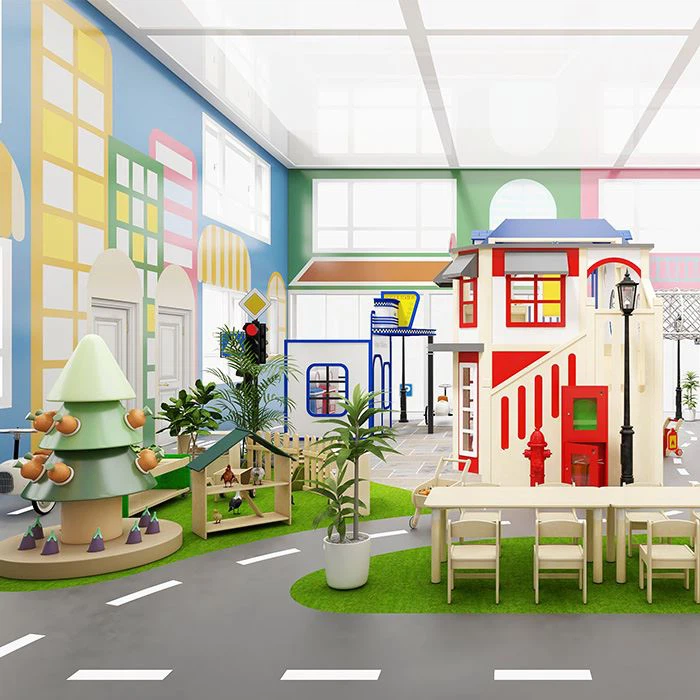
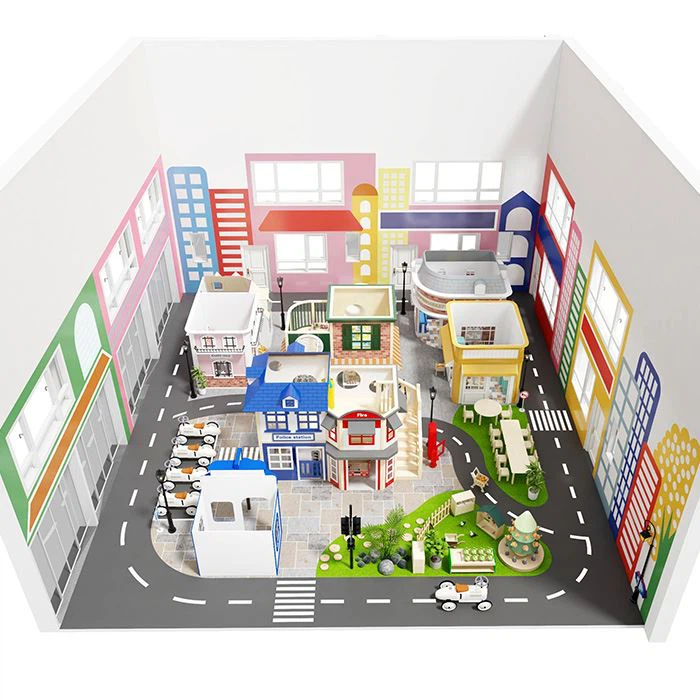
Kidzania playground is very popular all over the world. It is a mini-town pretend play center for kids. Children around 3-12 would love to spend their time in the play zone. And parents are so loving in it. Because it is not only a play center for kids to enjoy and have fun, but also a mini world for kids to try job experience. It could help children to know different jobs in the social system, and learn some work skills.
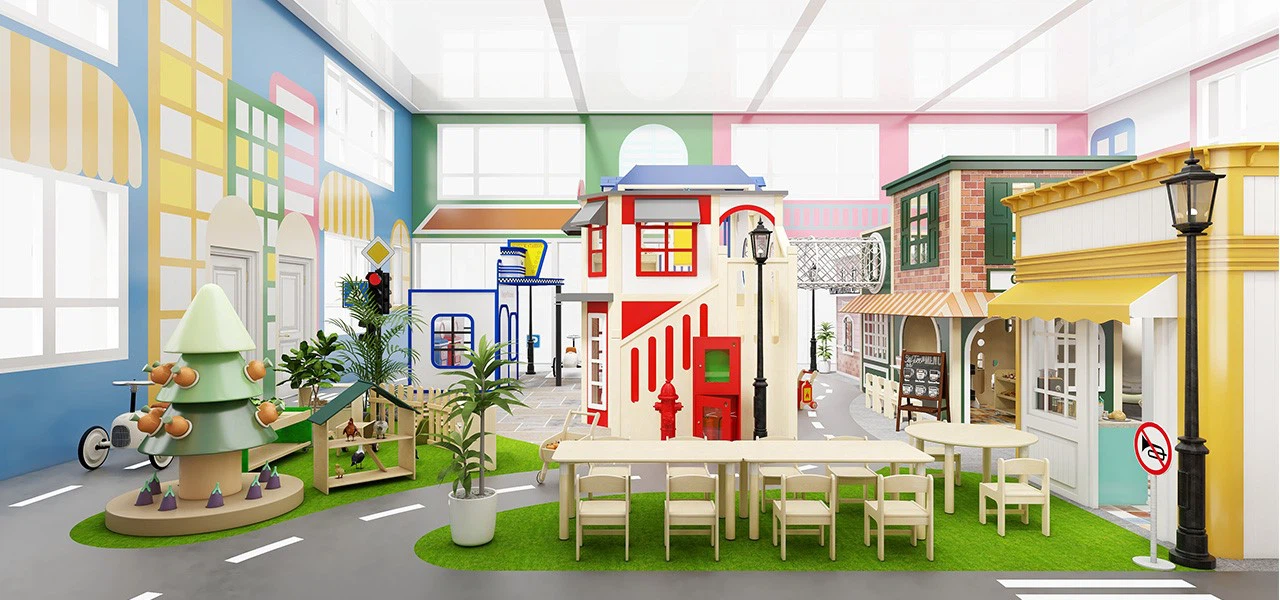
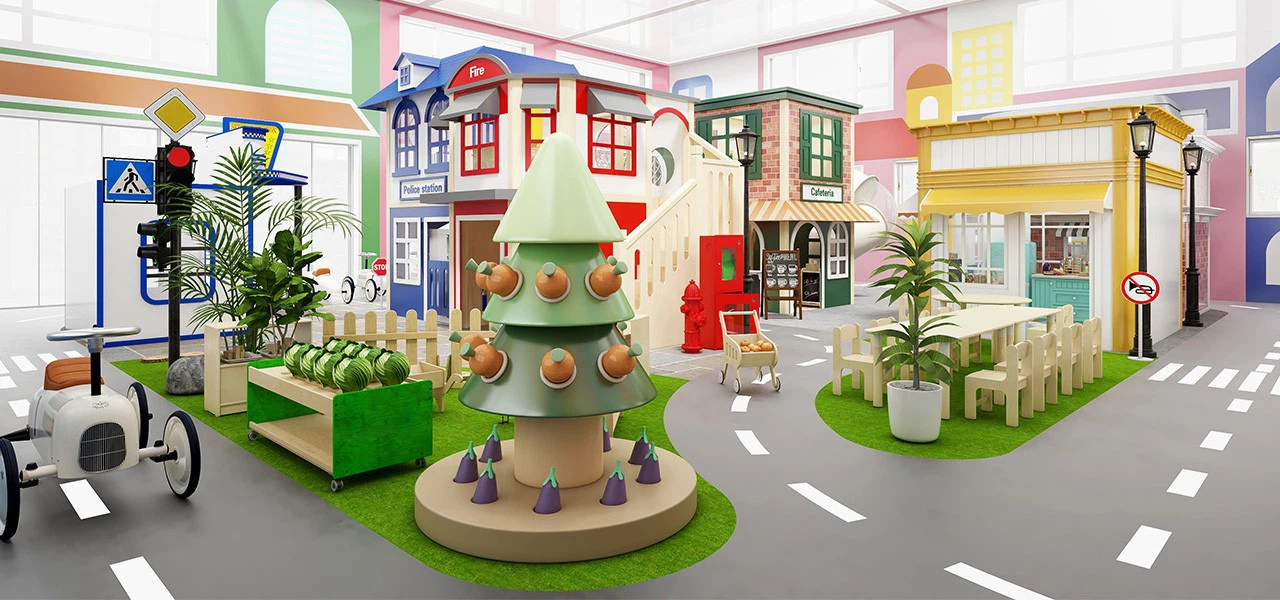
Mini City is an immersive, hands-on role-playing game designed for children aged 3–10, where they step into a bustling mini-city and explore real-world careers through pretend play. With so many interactive venues-from police stations to farms-kids don uniforms, take on roles, and tackle fun, age-appropriate tasks that mirror adult responsibilities. Through play, they not only have a blast but also gain early insights into different professions, fostering curiosity, empathy, and even seeds of future aspirations. Let's dive into the pretend play center and see how they spark learning!
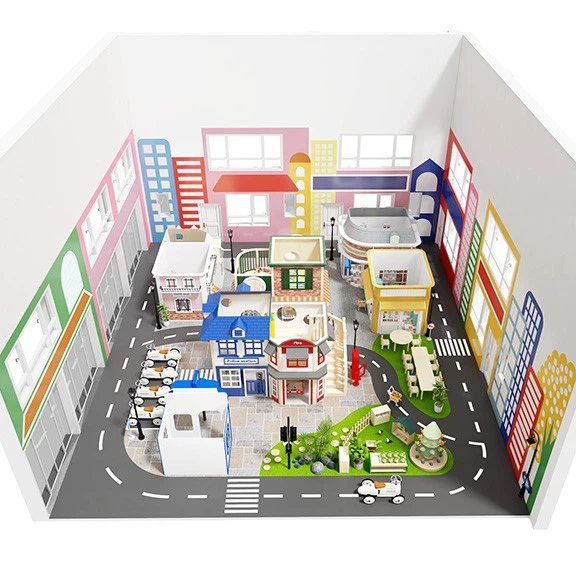
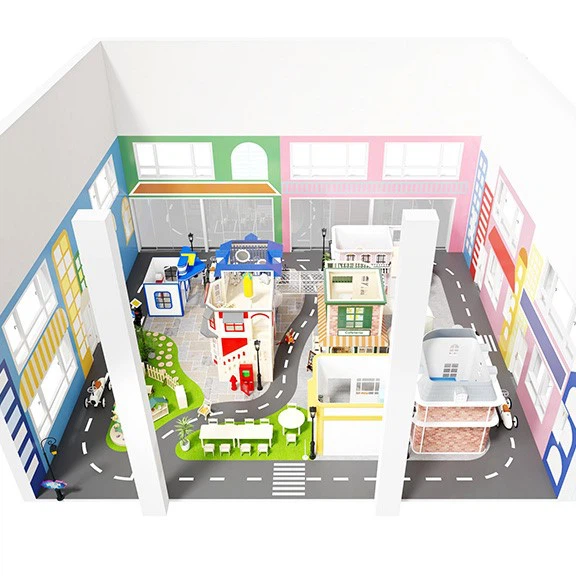
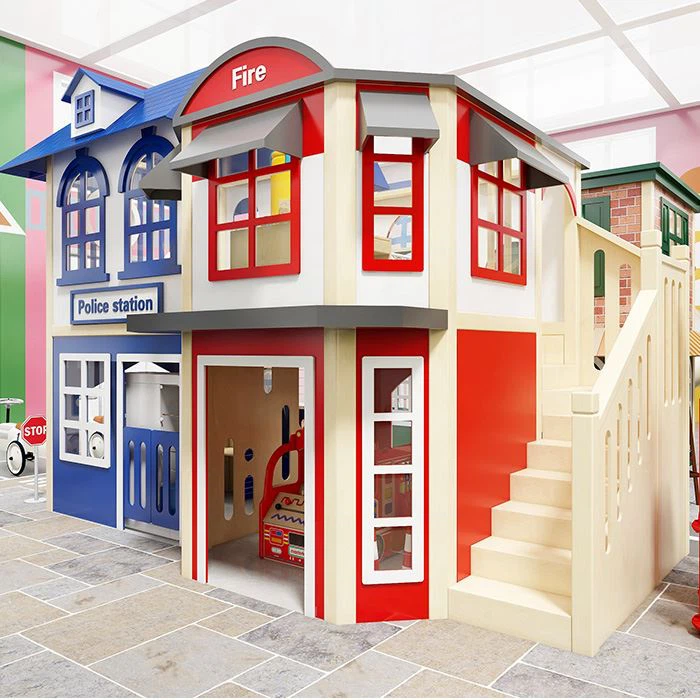
1. Police Station: Defenders of Justice
What They Learn:
Community Safety: Understand that police officers help people, enforce rules to keep everyone safe, and solve problems.
Responsibility: Taking charge of a "case" teaches accountability and attention to detail (e.g., remembering the teddy's "last location").
Teamwork: Collaborating with fellow "officers" to complete tasks builds communication and cooperation.
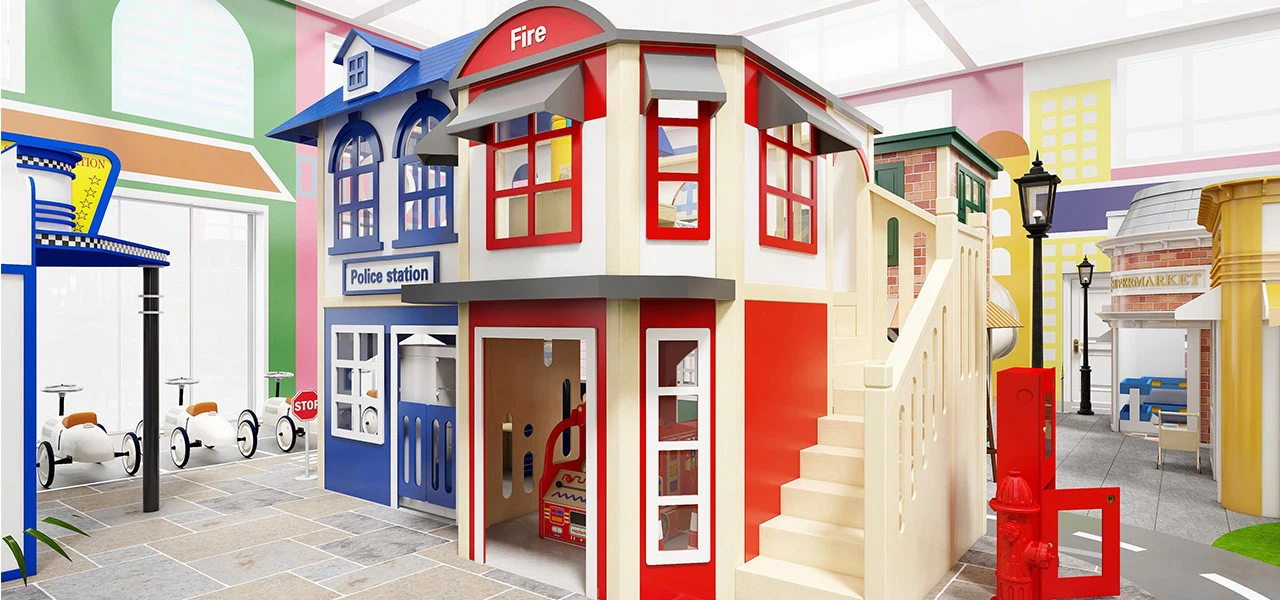
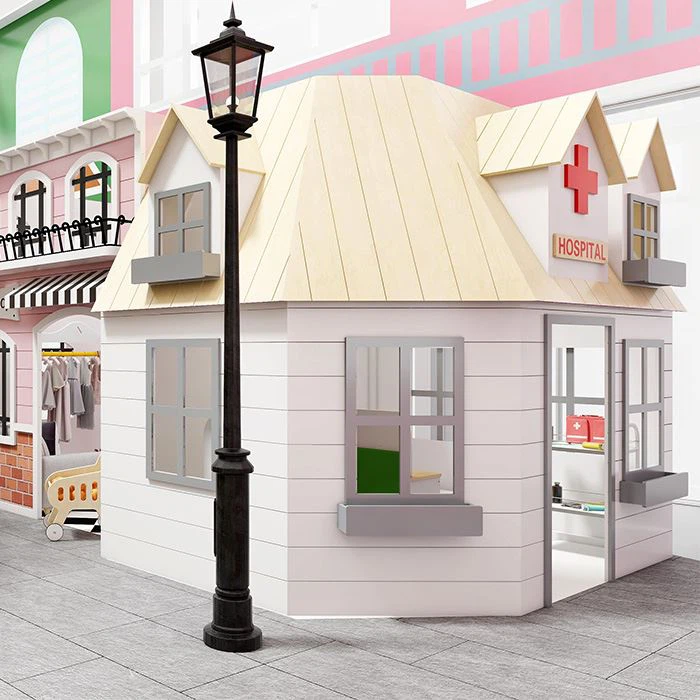
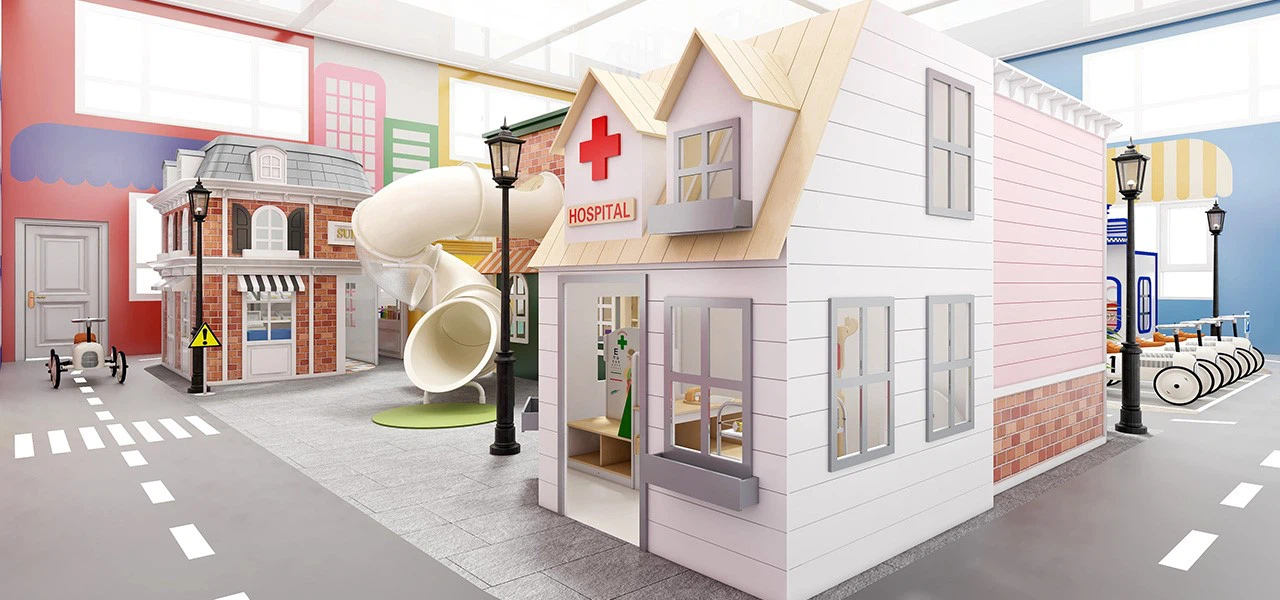
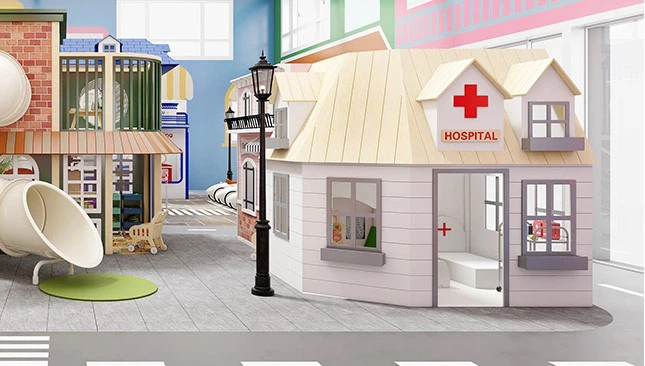
2. Hospital: Caring for the Community
How to Play:
In the pretend play center, little doctors and nurses wear white coats and stethoscopes, armed with toy medical kits (thermometers, bandages, syringes). Their "patients" could be dolls, stuffed animals, or even friends pretending to have a "tummy ache" or "scraped knee". They check temperatures, listen to "heartbeats", wrap bandages, and "prescribe" rest (or a pretend lollipop!). For more drama, they might rush to an "emergency" (e.g., a toy car "accident") and transport patients in a mini-ambulance.
What They Learn:
Health & Hygiene: Basics like "bandages help cuts heal" or "rest makes you feel better" build early health awareness.
Empathy: Caring for "patients" teaches kindness and understanding how to comfort someone who's scared or hurt.
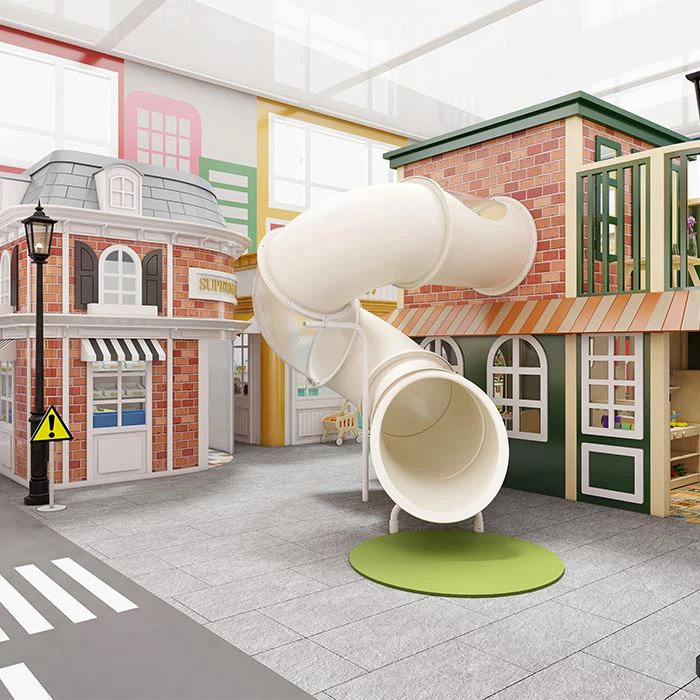
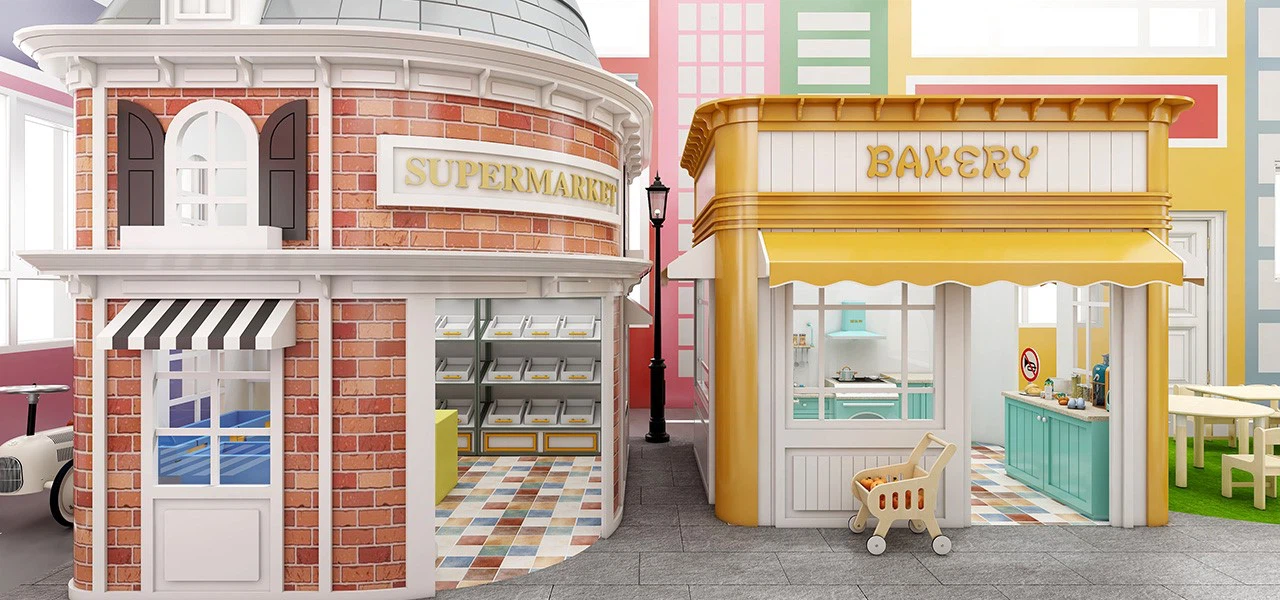
3. Supermarket: Shopkeepers & Shoppers
How to Play:
The supermarket is stocked with play food (fruits, veggies, boxes), shopping carts, and a toy cash register. Kids take turns being shopkeepers (restocking shelves, scanning items, and bagging groceries) or shoppers (writing "shopping lists", counting money, and asking for help finding "milk" or "bread"). Shopkeepers might even announce "specials" ("Apples are on sale today!") to practice customer service.
What They Learn:
Math & Money: The pretend play center provides a place for them to count play money, add up the totals, and learn basic financial literacy in the process.
Organization: Restocking shelves by category (e.g., "all fruits go here") teaches sorting and logic.
Social Skills: Shoppers learn to ask politely ("Excuse me, where's the cereal?"); shopkeepers practice patience and helpfulness.
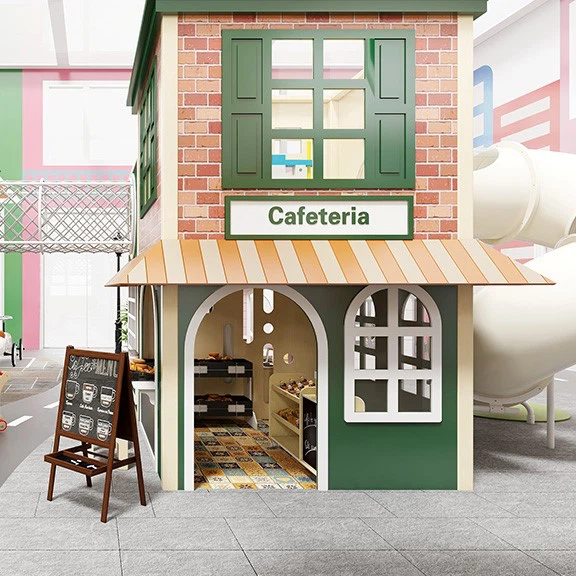
4. Restaurant: Chefs & Waitstaff
How to Play:
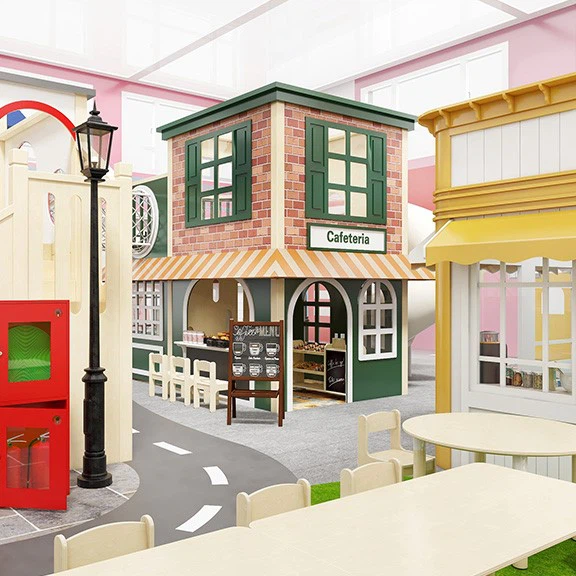
In the restaurant's "kitchen", little chefs wear aprons and use play pots, pans, and food to "cook" meals (pizza, burgers, salads). Waitstaff take "orders" from friends (writing them on mini notepads), serve food, and even "clean tables" with toy cloths. For extra fun, they might design a "menu" with drawings of dishes or host a "family dinner" where everyone plays a role (chef, waiter, customer)
What They Learn:
Food & Nutrition: Talking about "ingredients" ("We need tomatoes for pizza!") or "healthy meals" ("Salad has veggies!") builds early nutrition knowledge in the pretend play center.
Teamwork: Chefs and waitstaff must coordinate to get food to the "table" on time-teaching collaboration.
5. Fire Station: Brave Responders
How to Play:
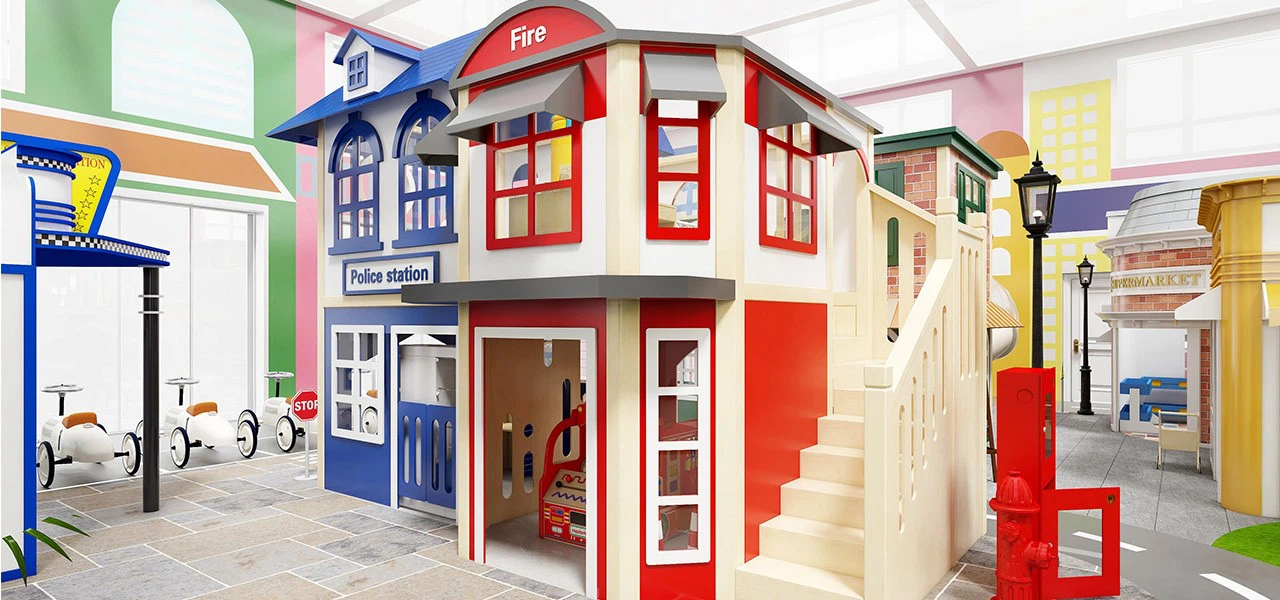
Firefighters don red helmets and jackets, grab toy hoses and axes, and hop on a mini-fire truck. When the "alarm" rings (a bell or siren sound), they rush to an "emergency" a "fire" in a dollhouse (made of red and orange tissue paper) or a "cat stuck in a tree" (a stuffed animal on a shelf). They work together to "put out the fire" (spray water from the hose) or "rescue the cat", then celebrate with a team cheer!
What They Learn:
Fire Safety: Lessons like "Stop, drop, and roll!" or "Don't play with matches" are taught through play.
Courage & Teamwork: Facing "emergencies" builds bravery; working as a crew to "rescue" someone reinforces that "we're stronger together".
6. Farm: Growers & Caretakers
How to Play:
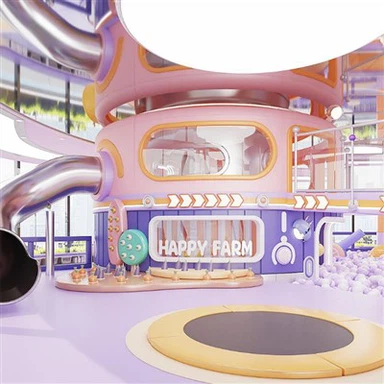
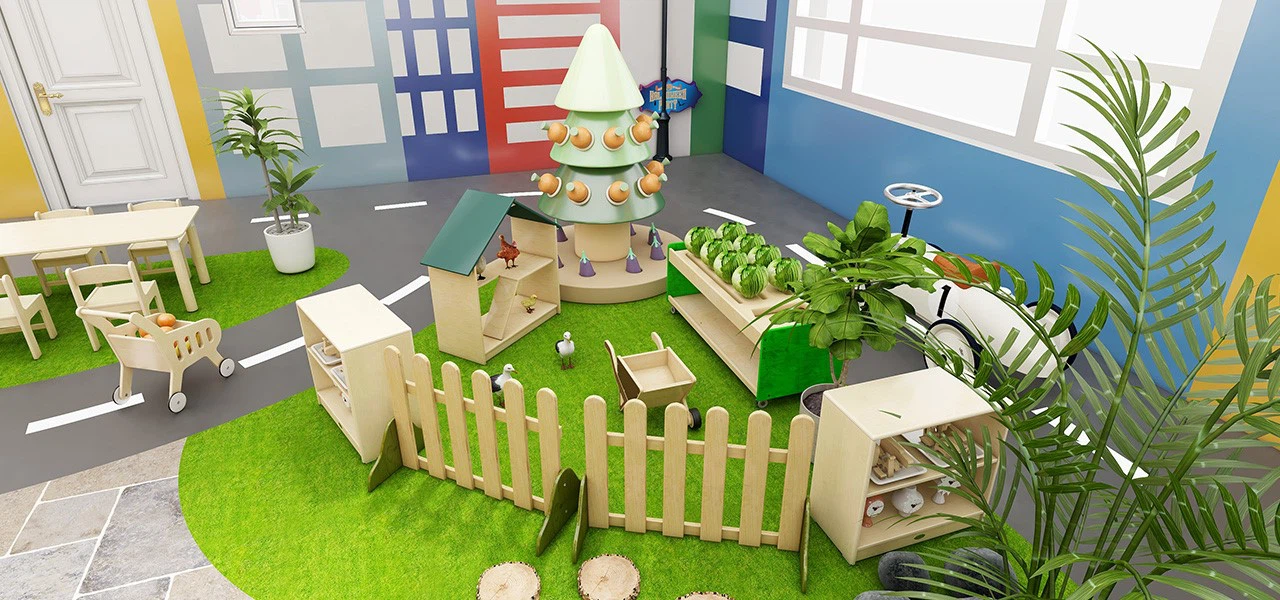
At the farm, kids wear straw hats and overalls, tending to play animals (cows, chickens, pigs) and "crops" (toy carrots, corn, or felt "vegetables" they can "plant" in a garden bed). They "feed" the animals (with play food), "milk" cows (with a toy udder), or "harvest" veggies (picking them from the soil). For extra fun, they might sell their "produce" at a mini "farmers' market" to other kids!
What They Learn:
Agriculture & Nature: The pretend play center teaches kids to understand that food comes from farms- not just stores! ("Carrots grow in the ground!" or "Cows give us milk!").
Care for Living Things: Feeding animals or watering "crops" teaches empathy and responsibility for other creatures.
Hard Work: "Planting" and "harvesting" show that food takes effort-farming isn't just fun, it's a job!
Why Mini Town Matters: Learning In Role Playing
Mini Town isn't just about having fun-it's about planting seeds for the future. By trying on different roles, kids:
Explore Interests: A child who loves being a doctor might grow up to pursue medicine; one who enjoys running the café might dream of opening their own business.
Build Life Skills: Teamwork, problem-solving, empathy, and responsibility are practiced in every venue-skills that matter for any future career.
Understand the World: They learn how communities work (police keep us safe, farmers grow our food, mail carriers connect us) and that every job has value.
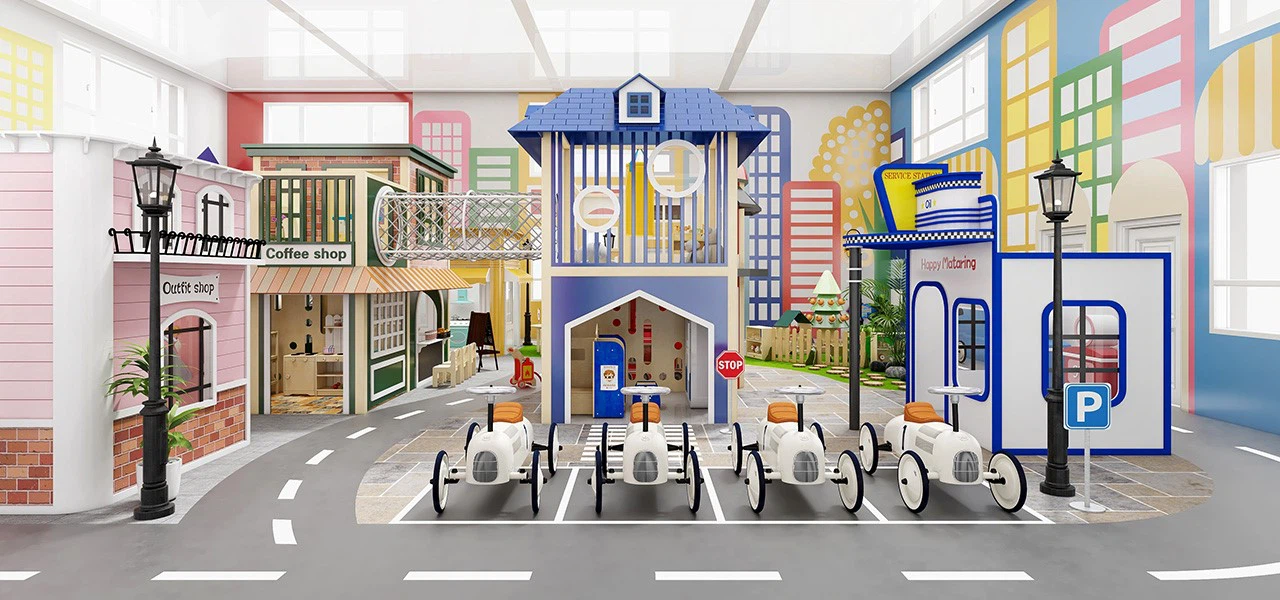
In Mini Metropolis, every child is a hero-whether they're saving the day as a firefighter, healing a "patient" as a doctor, or making someone smile as a barista. Who knows? Today's pretend play center might just inspire tomorrow's real-world dream job!
With 23 years of expertise in the customized indoor playground equipment, Cowboy Group offers far more than just a set of equipment. We provide end-to-end customized services, from creative design to production and installation, helping you build a unique "miniature children's city" in your local market and effortlessly capture the market of immersive educational entertainment.
Perhaps you're wondering: "My site is irregular, can it still be done?" or "My budget is limited, how can I allocate resources most efficiently?" Cowboy Group has been deeply involved in the playg area solution for many years, encountering hundreds of different site conditions and operational needs. Contact us for professional advice.
Hot Tags: Custom Pretend Play Center, China Custom Pretend Play Center manufacturers, suppliers, factory